
.png)
MV Arcade, otherwise known as Open Arcade, is an art installation developed by SAGE Automation and sponsored by City of Melbourne.
My team SANTS designed a concept called 'Memory Quiz' which is a life-size game that challenges players with fun range of questions and testing their memorization.
For our capstone project, we had the opportunity to collaborate with SAGE Automation and City of Melbourne to help develop ideas for their public art installation called Open Arcade. SAGE Automation had four goals set in mind:
As UX designers, it was our job to create innovative concepts with good user experience in mind and be accessible to the general public.
Our team STEMS (Sarah, Tulip, Emily, Machaya & Sam) developed a concept called "Memory Quiz" that provides people in Melbourne City with a unique and interesting 'life-size' game that can interacted with in a variety of ways.
Before generating any concept ideas, we needed to first understand the scope of the project and accessibility methods by researching into exisiting case studies and conducting user research such as surveys, interviews and focus groups.
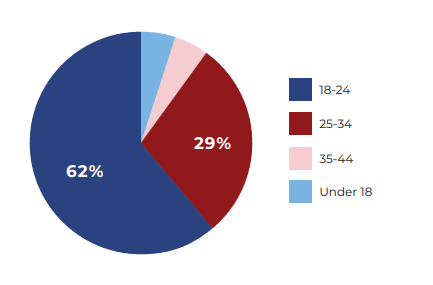
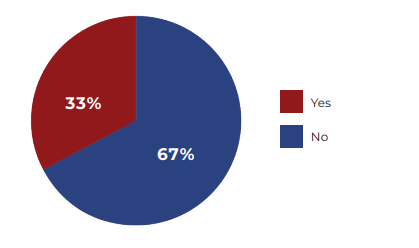
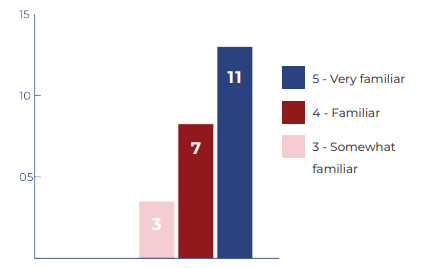
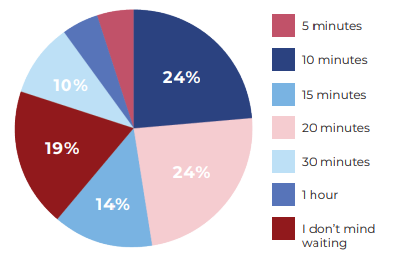
Over the course of the week, a survey was conducted to gather a general understanding on people's experiences with video games and their interactions in a public space. During the time that the survey was active, I was able to receive a total of 21 responses.
Interviews were done remotely from home through online messaging service apps such as Discord and Messenger due to the pandemic. I was able to source four participants and their responses were insightful.
Focus groups were conducted both online and in-person, and each group had a maximum total of three to four participants in each. Group one consisted of people who were in their early 20s and this interview was done online, while group two was done in-person and people who attended were in their 30s. Unlike interviews, people who participated in the focus group felt more inclined to give proper responses with the encouragement of group discussion, thus the responses were very insightful.
The participants in Group One would visit the city at least once or twice a month, but someone had mentioned that despite living near it, they rarely travelled into the city due to being crowded by tourists and traffic.
In regards to their reason, it would mainly be for events that would peak their interest, however, when searching for events, three out of four participants stated that they mostly relied on word of mouth from friends. In contrast, there was one participant who would actively look for events happening in their city on a regular basis, and these events mainly focused on gathering Asian communities.
Due to the pandemic, more than half of the participants in Group Two found themselves hardly going into the city because of the uncertainty of the situation, but if it was pre-covid, it would be five times a week for work. Another participant, who is currently not residing in Australia, stated they would travel to the city every two weeks to eat out or go shopping and this might be the case that other countries are in a better state than others.
A common incentive that would motivate them to visit the city was the idea of offering free goods such as food or discounts. Despite there being mutual agreement in regards to free goods, one of the participants mentioned that they would be more inclined to go if there was something happening where they could take photos and post it on social media.
When being asked if they searched for events in their city, two out of three participants stated that they were subscribed to pages such as “Timeout” where they would often receive information on events happening in the area.
In regards to gaming experience, a majority of the participants in Group One did not play video games on a regular basis, but they were very familiar with the culture and knowledge of popular video games. As for their preferences, participants seem to lean towards more to “simulation and puzzle games” but also found enjoyment in games that offered customization, such as MMORPGS or The Sims.
When playing competitive games, participants preferred to play with friends because it is a “great way of socializing” but also liked the idea of working together, which is the reason why multiplayer games were more favourable. Furthermore, the group did not feel comfortable playing competitive games with strangers, especially if it required team effort, and expressed that their actions could potentially ruin someone’s game causing them to feel pressured.
Participants’ experience with motion controls were mainly Nintendo consoles such as the Switch and Wii. Their opinions were mostly positive, however, whilst being fun, a majority seemed to agree that playing these types of games for too long can result in feeling nauseous.
Group One’s responses towards describing a good game and a bad game were different, where they believed it was subjective but mutually agreed that they consider a good game to be fun and have replayability. As for what establishes a bad game, it was mainly poor explanation of game mechanics and difficulty levels that would constantly frustrate them.
Despite the age gap between Group One, Group Two was also very familiar with video games and their favorite genres ranged from horror to multiplayer games.
All participants agreed that they found more enjoyment in multiplayer and competitive games when playing with people they know because it allows them to be themselves without taking competition too personally. Likewise to Group One, the group expressed signs of discomfort when playing games with strangers as they were afraid of the backlash they would get from the toxic community.
Regarding games that had motion controls, two out of three participants had some form of experience with these types of games but felt that the novelty wears off quickly because of its simple mechanics but also poor physical health if it required a lot of physical movement.
Participants had different responses when defining a good game and a bad game but common trends they found in good games was the level of complexity and feeling a sense of accomplishment, whilst also providing a good narrative that can keep them engaged.
Within a week, interviews, focus groups and surveys were conducted and based on the responses received, they were very insightful and could potentially influence the design for the MV Arcade. While the responses were helpful, I was unable to interview anyone with a disability so the knowledge gained is very limited towards building a product with accessibility needs. Hence,why the questions regarding physical conditions or impairment have been removed from interviews and focus group due to participants being able-bodied, but also people may feel uncomfortable disclosing that information in a focus group.
Here are some common trends discovered through interviews, surveys and focus groups:
Based on the common trends, it is evident that people who would participate in the MV Arcade would mainly be people aged between 18-30, or younger, and have an interest in video games, but would be more open to play with people they know rather than strangers.
In addition, people would be more inclined to visit the installation if there were incentives for participation such as small prizes, such as free food or discounts, but also if there was an initial crowd.
When designing the MV Arcade, it is important to consider the location and where the queue would be because participants have stated that they would not wait in line if the weather was too hot or cold, or if there was too much exposure to the sun.
I looked into case studies that had similar elements to the MV Arcade such as location-based gaming, playable city projects and interactive art installations to help further my understanding of the project and take inspiration to develop concept ideas.
Misadventure in Little Lon is an augmented reality location-based game that was developed by Emma Ramsay and Andy Yong at True Crime Games. The story is based on real life crimes that occured in Melbourne in the nineteenth century and it gamified the experience of walking tours by having users investigate heritage sites to solve the mystery.
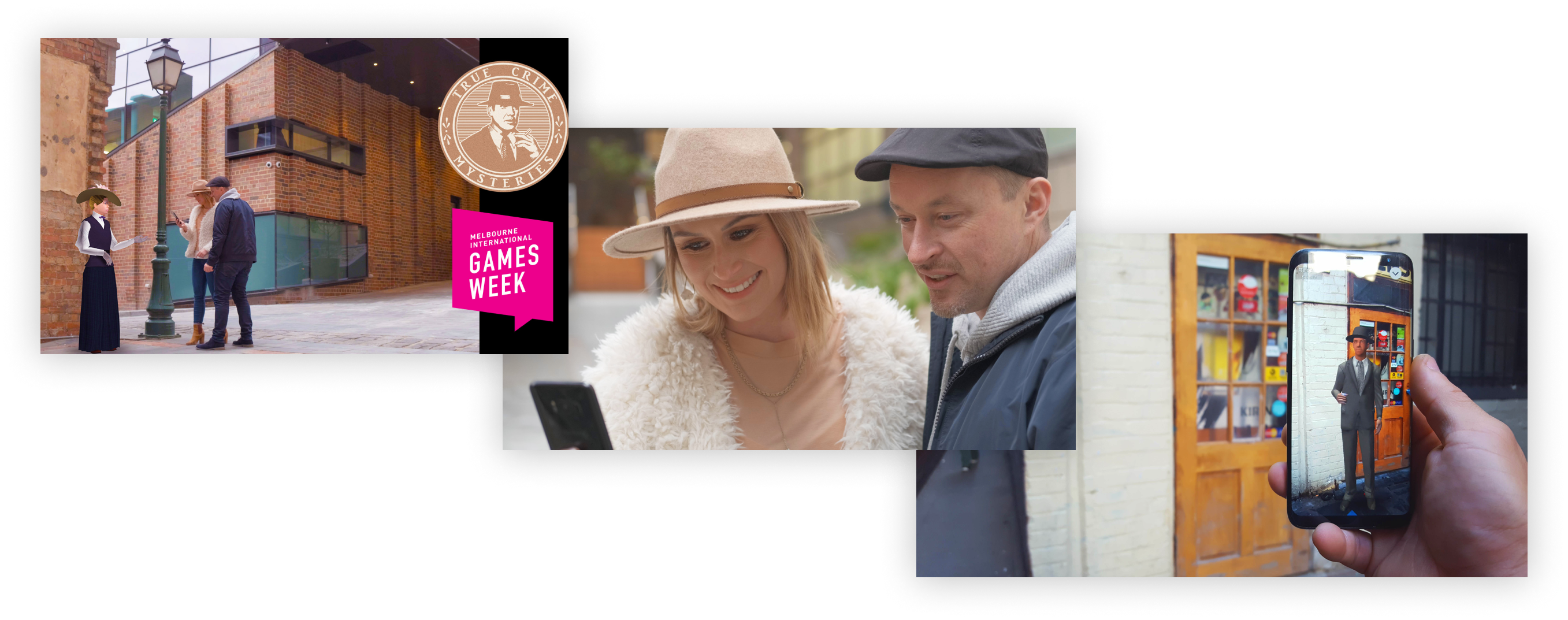
Applying the design decisions used in Misadventure in Little Lon for the project could potentially bring back people into Melbourne and encourage them to explore the area, only if there was an incentive behind it, such as providing a story and immersive gameplay. Unfortunately due to SAGE’s requirements , it would be hard to create a multiplayer experience if a narrative was to be implemented and AR features could be costly for the client.
Urbanimals is an interactive art installation designed by LAX Laboratory and was developed for the Playable City Award in 2015. In response to the criteria for Playable City, the concept of this project was to install projections of origami-shaped animals in certain areas across the city to gain attraction from the general public by engaging them to explore and actively participate in “urban life through play” (Dobiesz & Grajper 2016, p. 691).
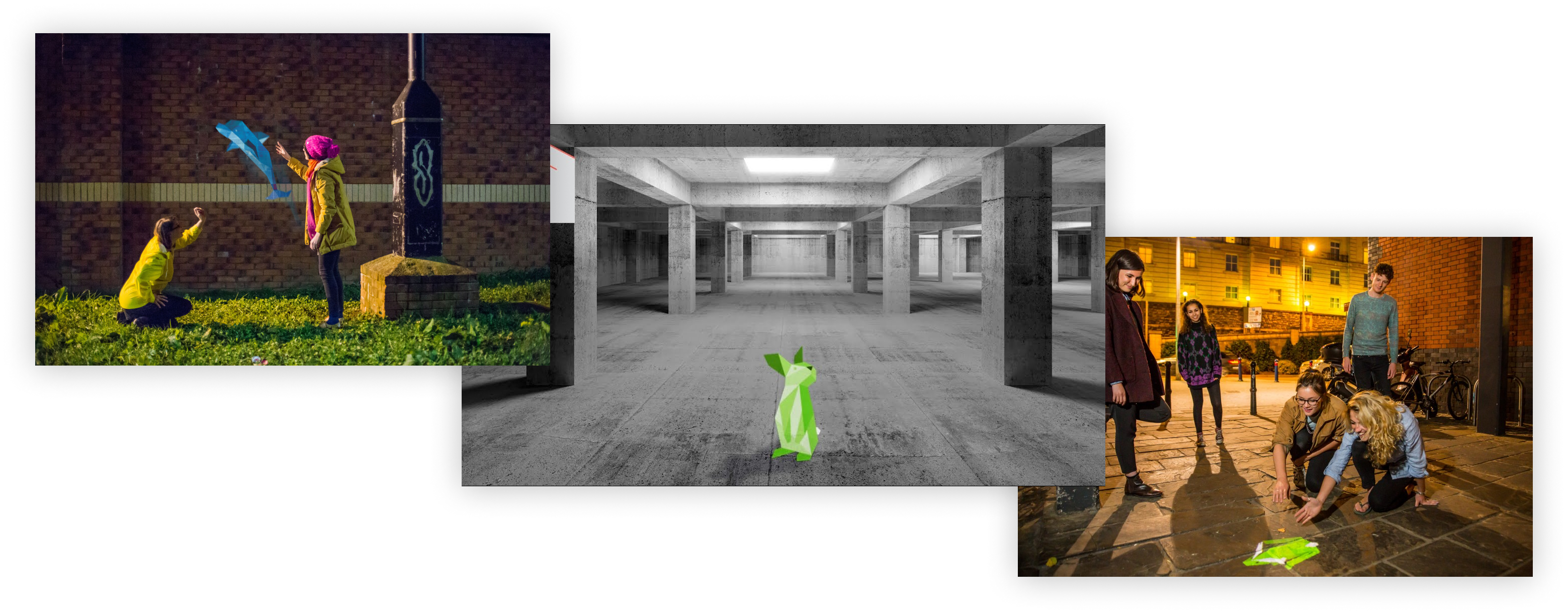
The technology and experience in Urbanimals is somewhat similar to the ideas that SAGE had in mind for the MV Arcade, where using sensor inputs could open up great opportunities to engage users to interact in public spaces. Although the client pitched the MV Arcade as a public gaming installation, they also had ideas of showcasing interactive art for users to engage with. By incorporating the concept and technology used in Urbanimals, such as projection mapping and engaging the idea of interactivity, it allows a more universal product that can be accessible for people of all ages, but also gives them the opportunity to interact with art in new ways.
Solstice LAMP is an interactive light and sound installation in Sydney and was developed by Martin Tomitsch, Ollie Bown, Luke Hespanhol, Miriam Young and Reubeun Young. The installation involved people stepping into the space to generate sound and visuals which would then travel up on the building, turning into origami cranes (Tomitsch 2021).
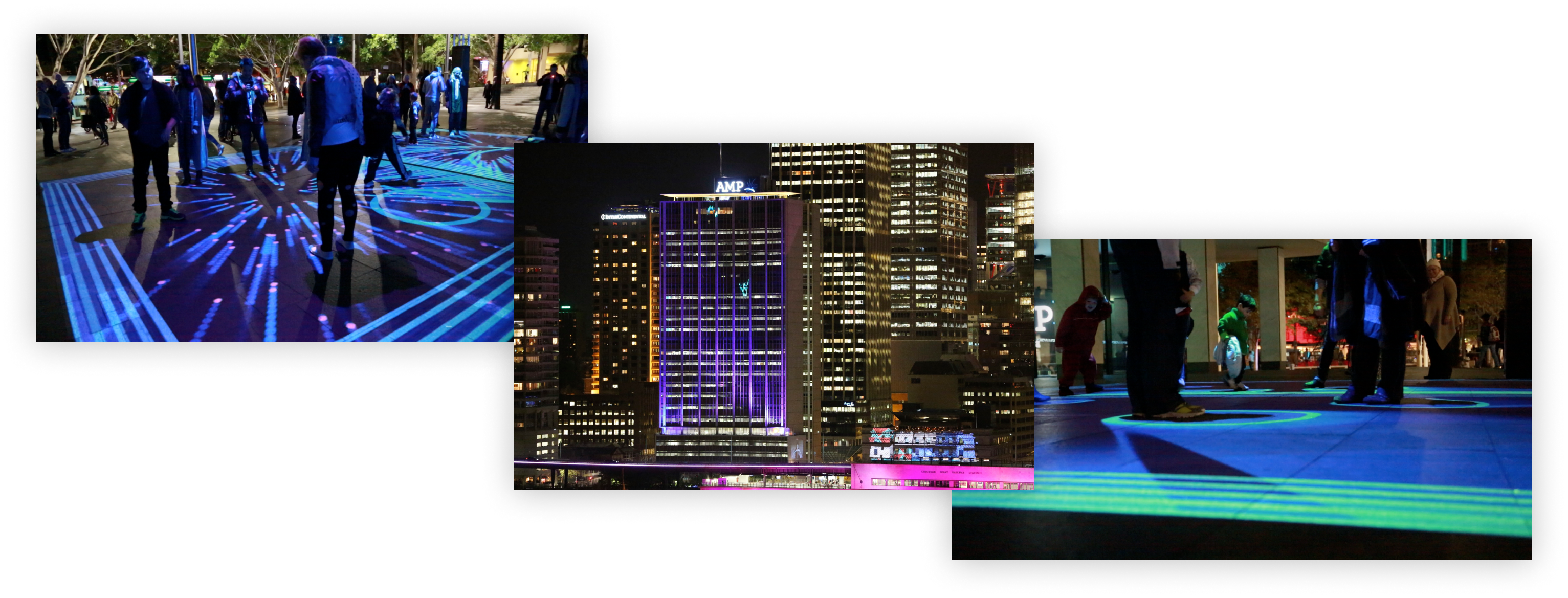
By incorporating the ideas of cooperative play and proxemic interaction from Solstice Lamp, it will help influence the design for the MV Arcade where it could focus on the idea of collaboration and encourage people to work together. Furthermore, based on the meeting with the client, it was strongly highlighted that the product should cater towards everyone, regardless of age, nationality or disability, and in order to do so, it is important to create a product where people are able to join in immediately without having to read instructions, likewise to Solstice Lamp.
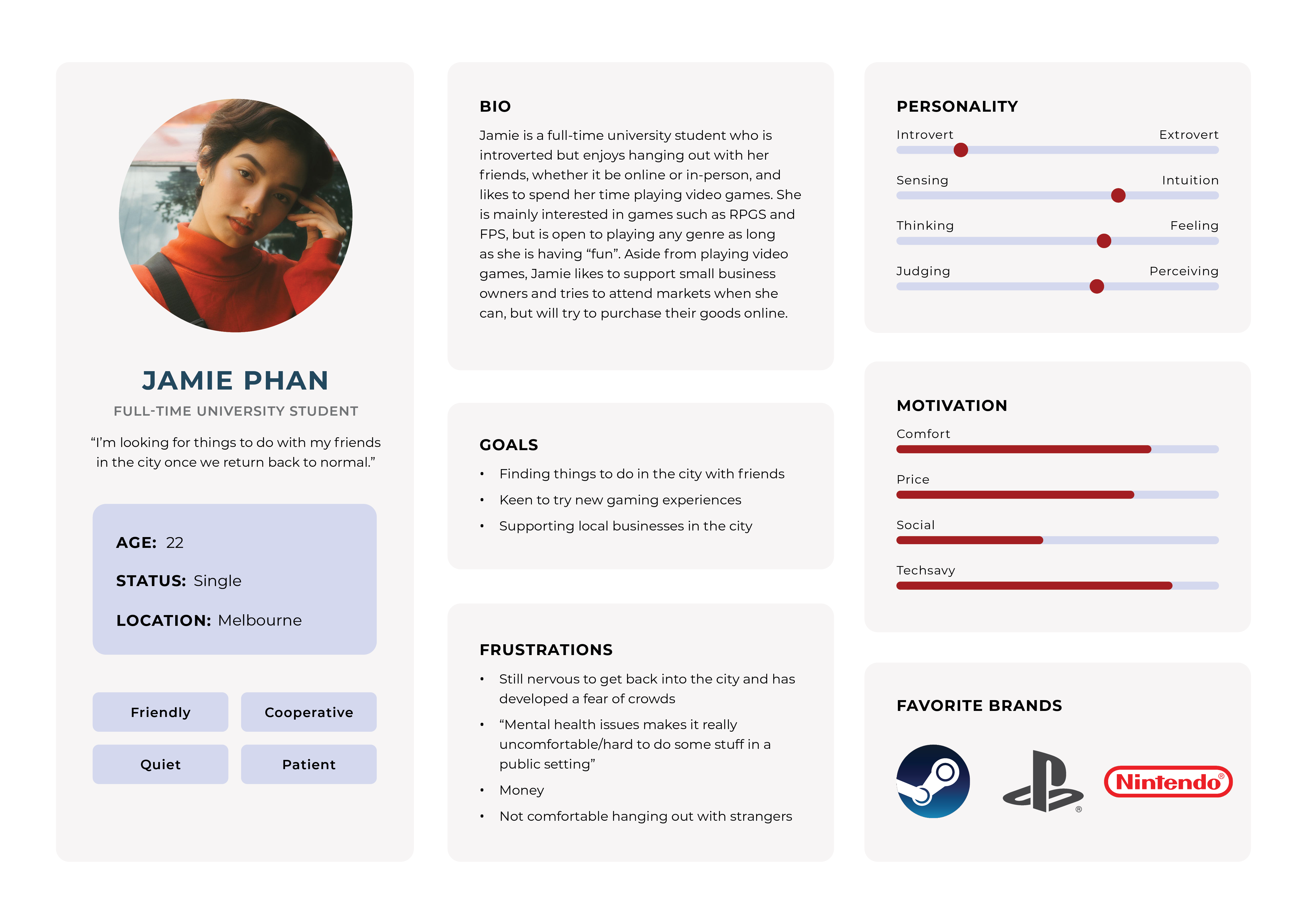
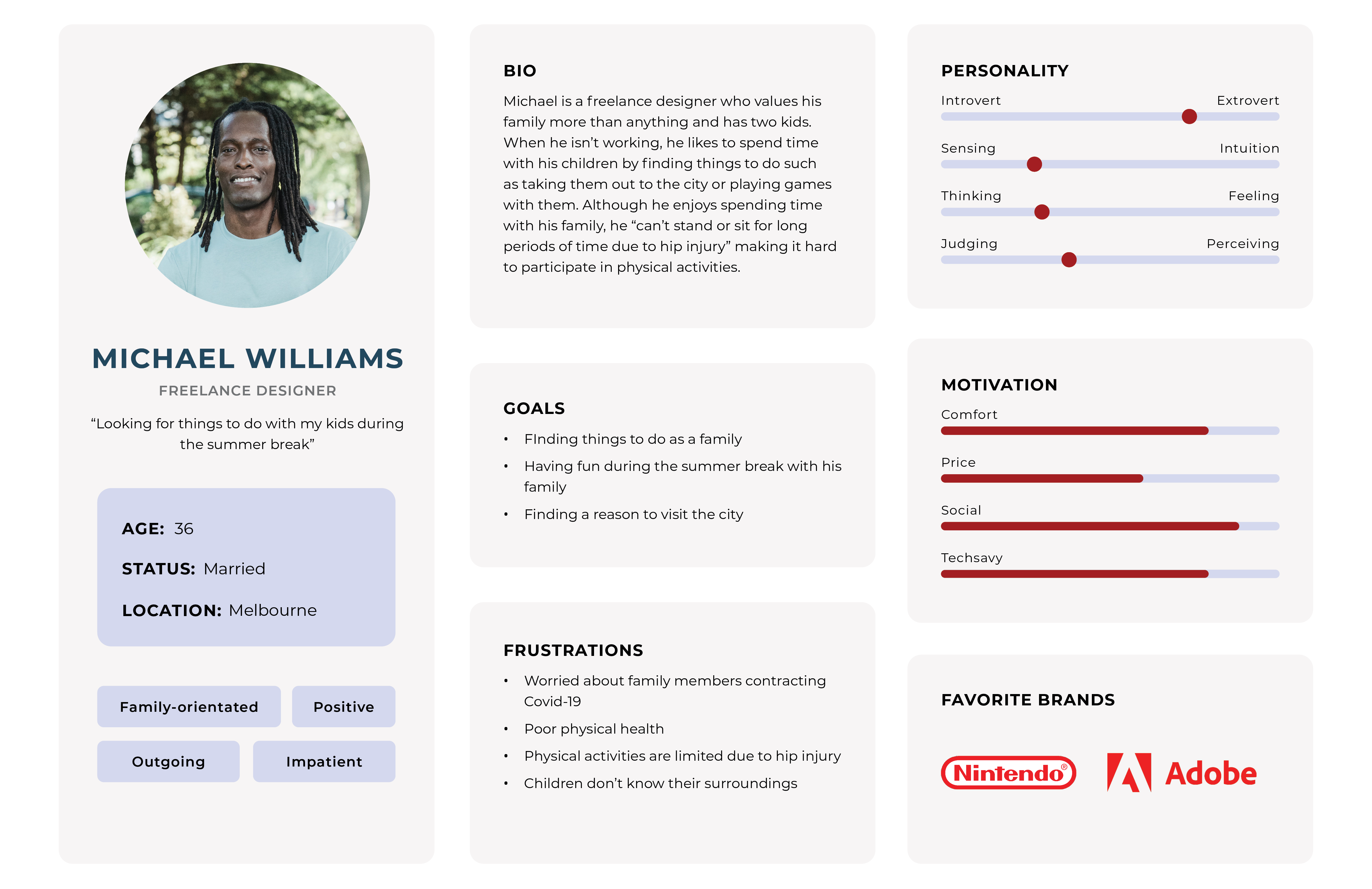
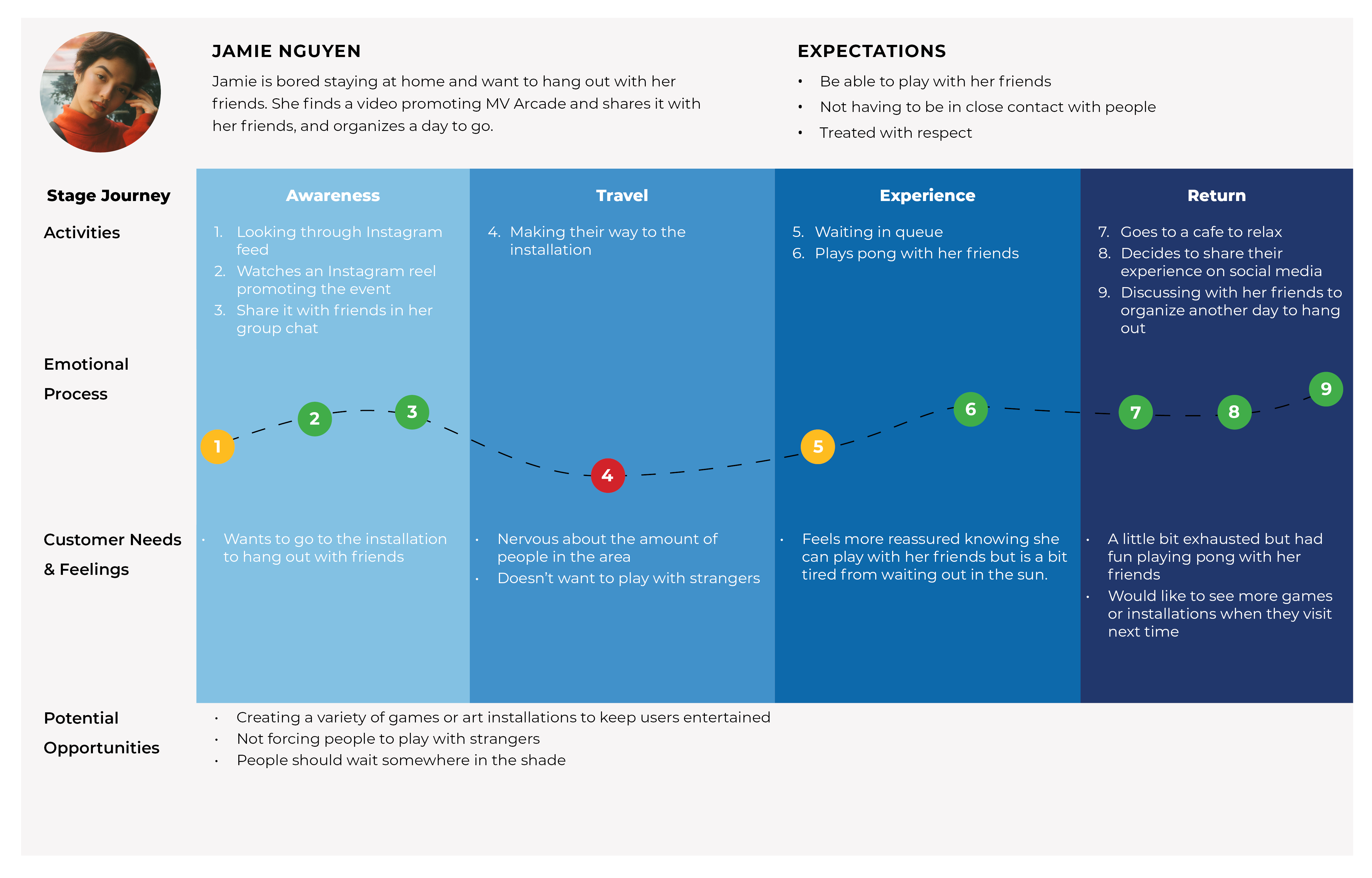
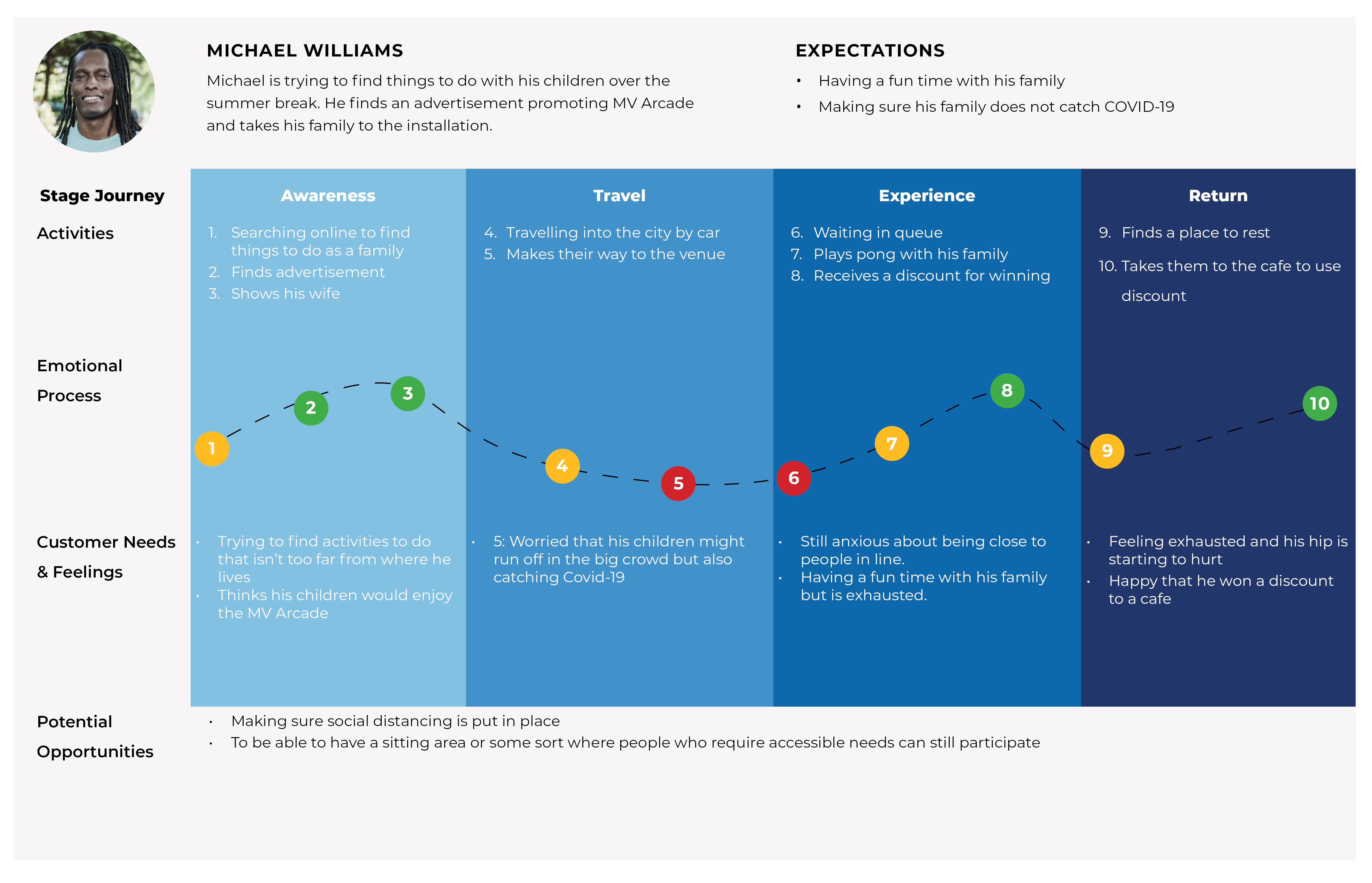
Using the research that we gathered, I have created a persona that highlights the intended user's goals, frustrations and their views on gaming and art installations.
Our team got together and we started ideating three potential concepts for the MV Arcade through Miro and we received feedback on our ideas from other teams.
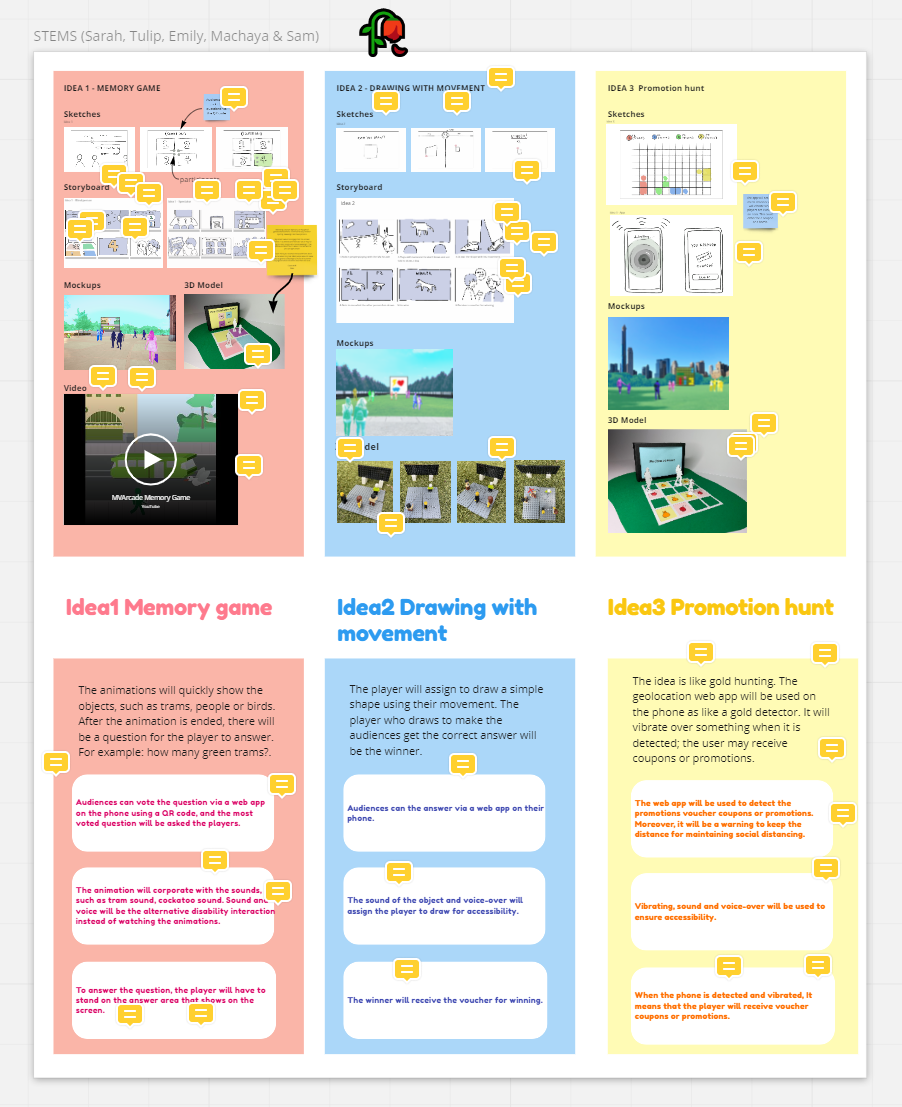
Memory Game is an engaging experience that provides people in Melbourne City with a unique and interesting 'life-size' game that can be interacted with in a variety of ways. The quiz will incorporate iconic aspects of Melbourne to remind players of how great our city is , while challenging users with a fun range of questions to test their memorization.
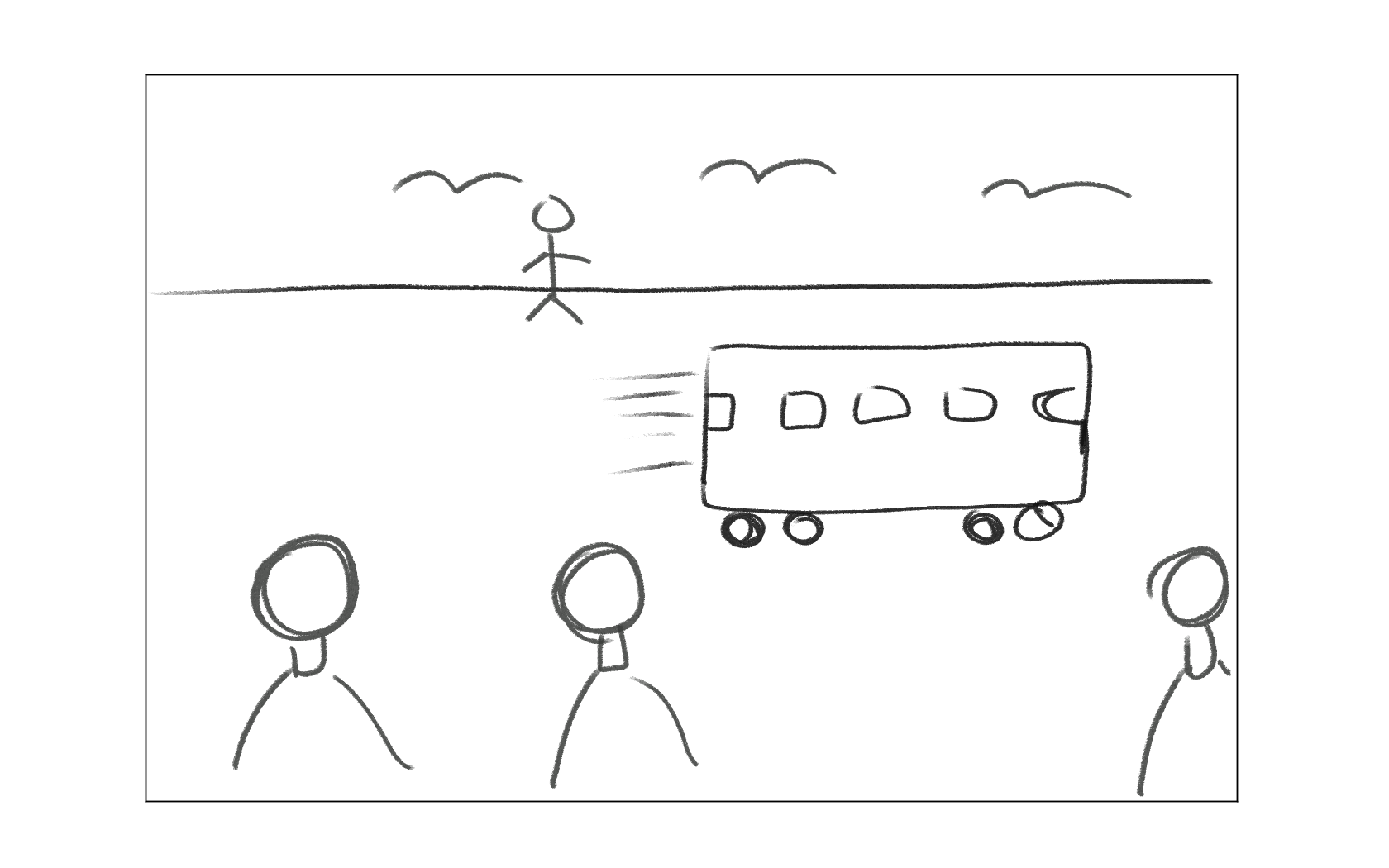
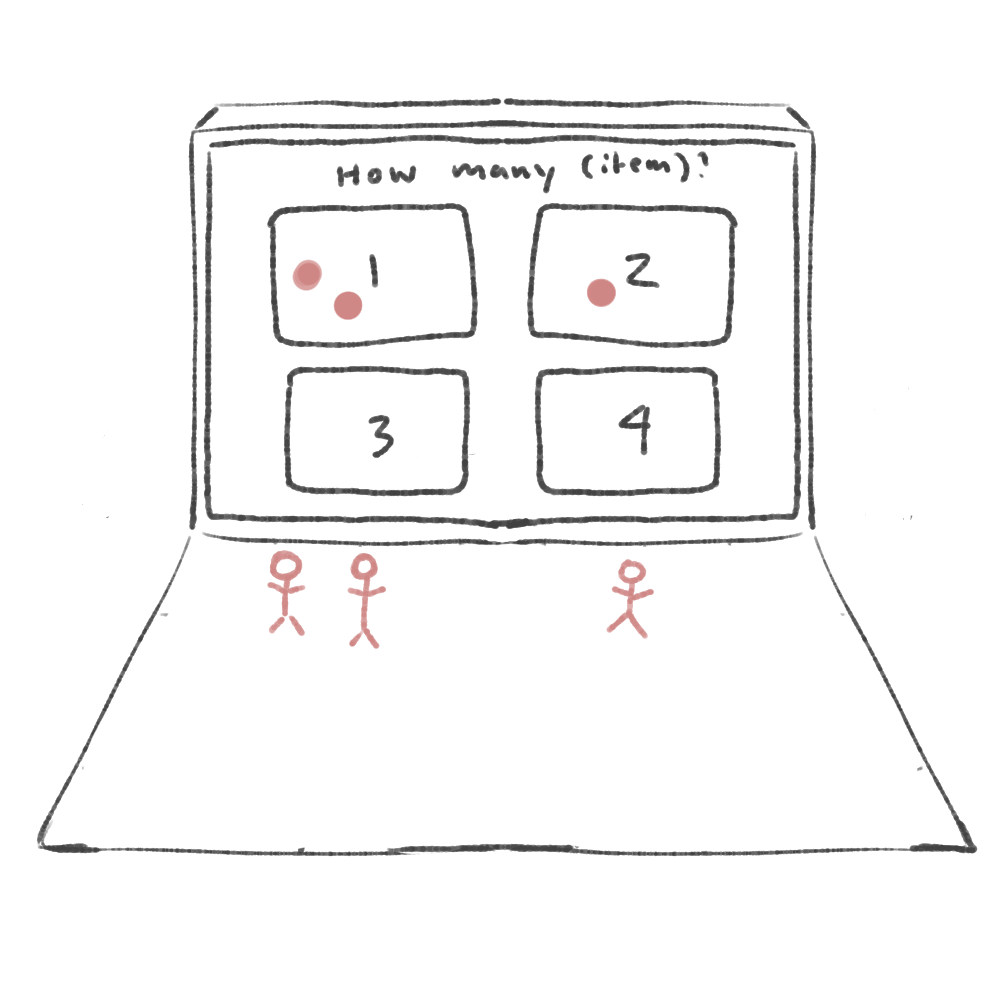
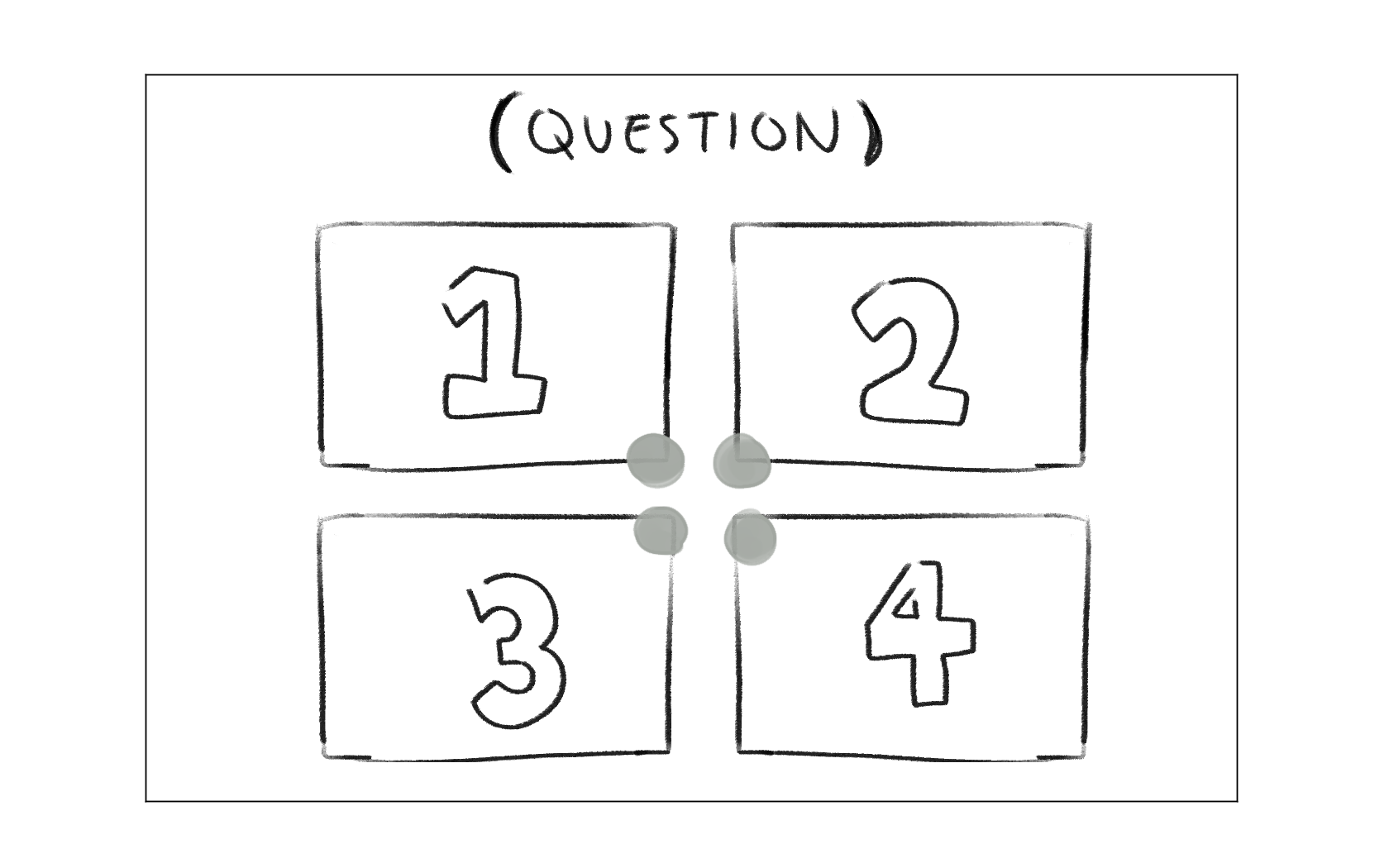
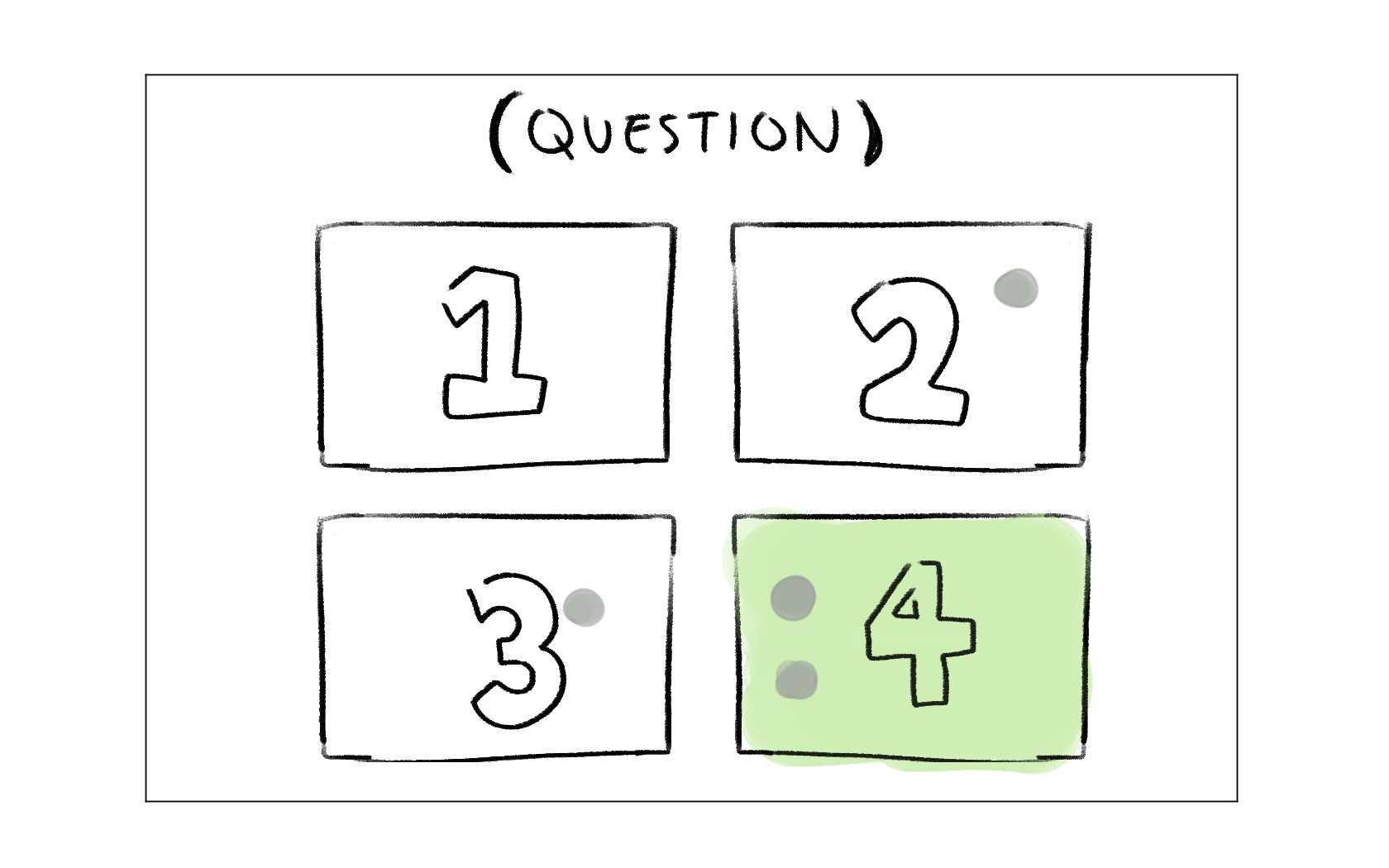
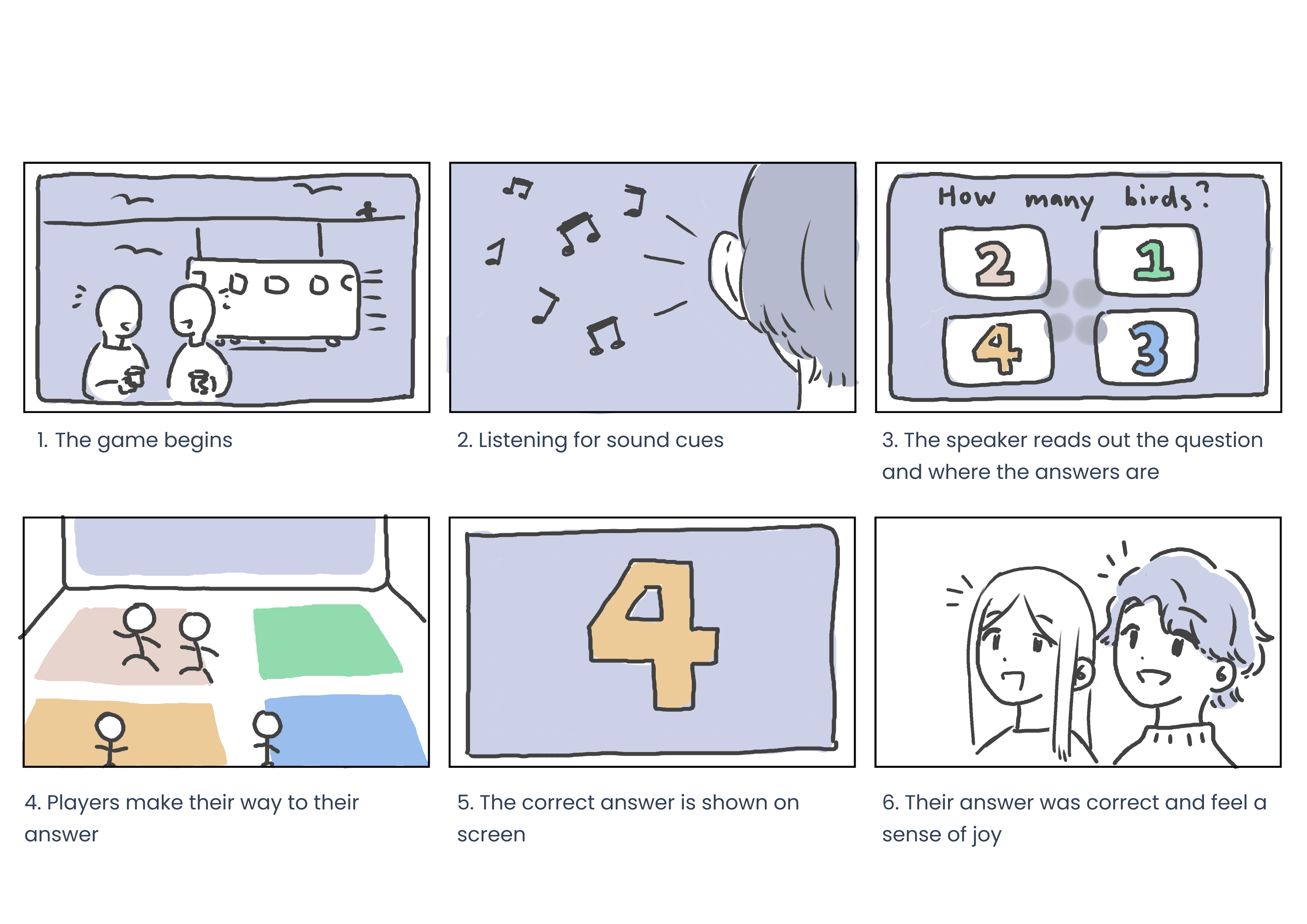
Blind person's perspective
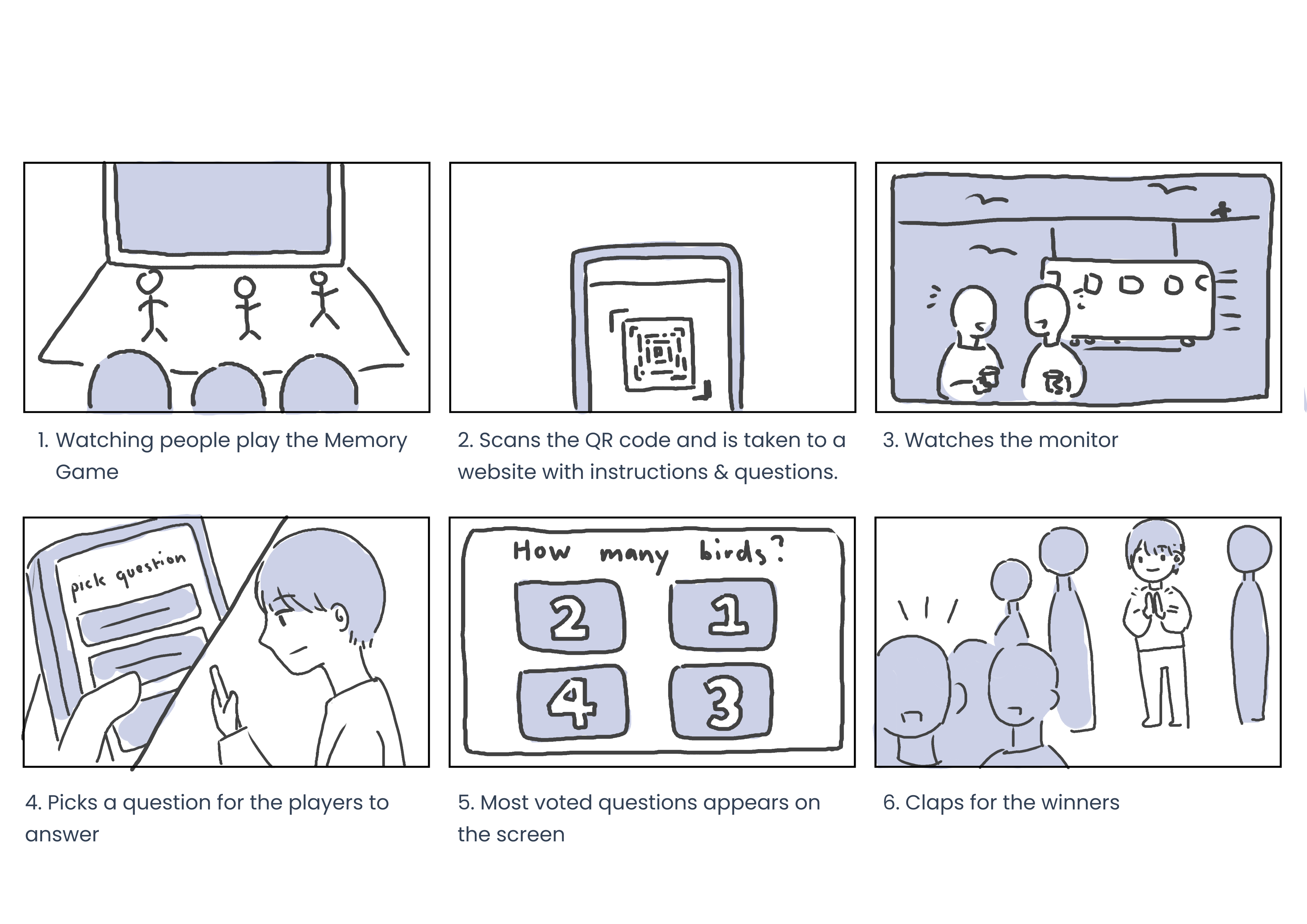
Spectator's perspective
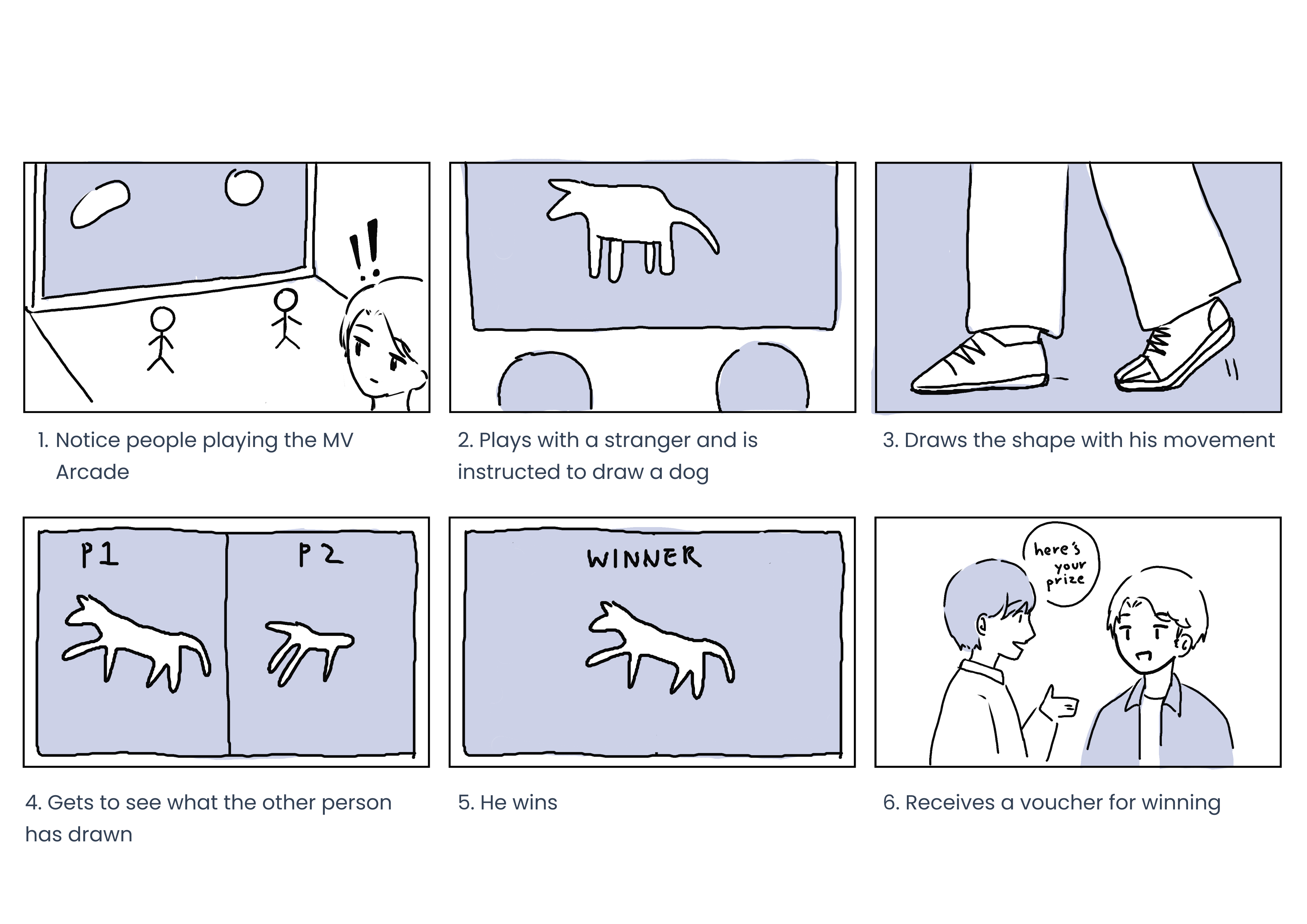
The tracing game was originally inspired by games such as Pictionary, Draw Something and Gartic Monkey where players are given a prompt to draw, and we have translated this idea into a real world setting where users are given the ability to draw shapes using their movement. However, one of the main concerns with these types of games is that people may abuse this freedom to draw inappropriate content and to avoid this from occurring, especially in a public setting, the drawings will be predetermined.
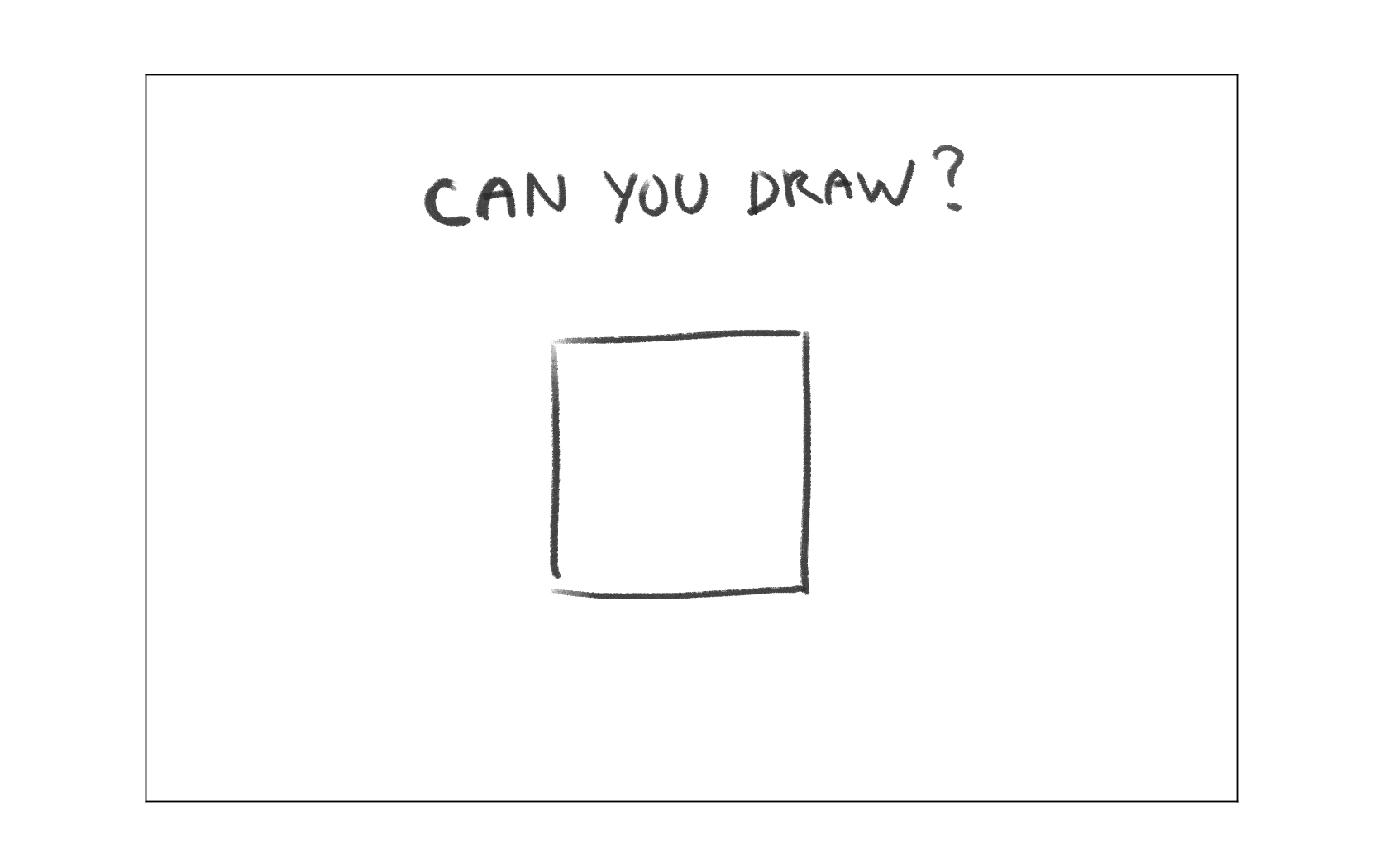
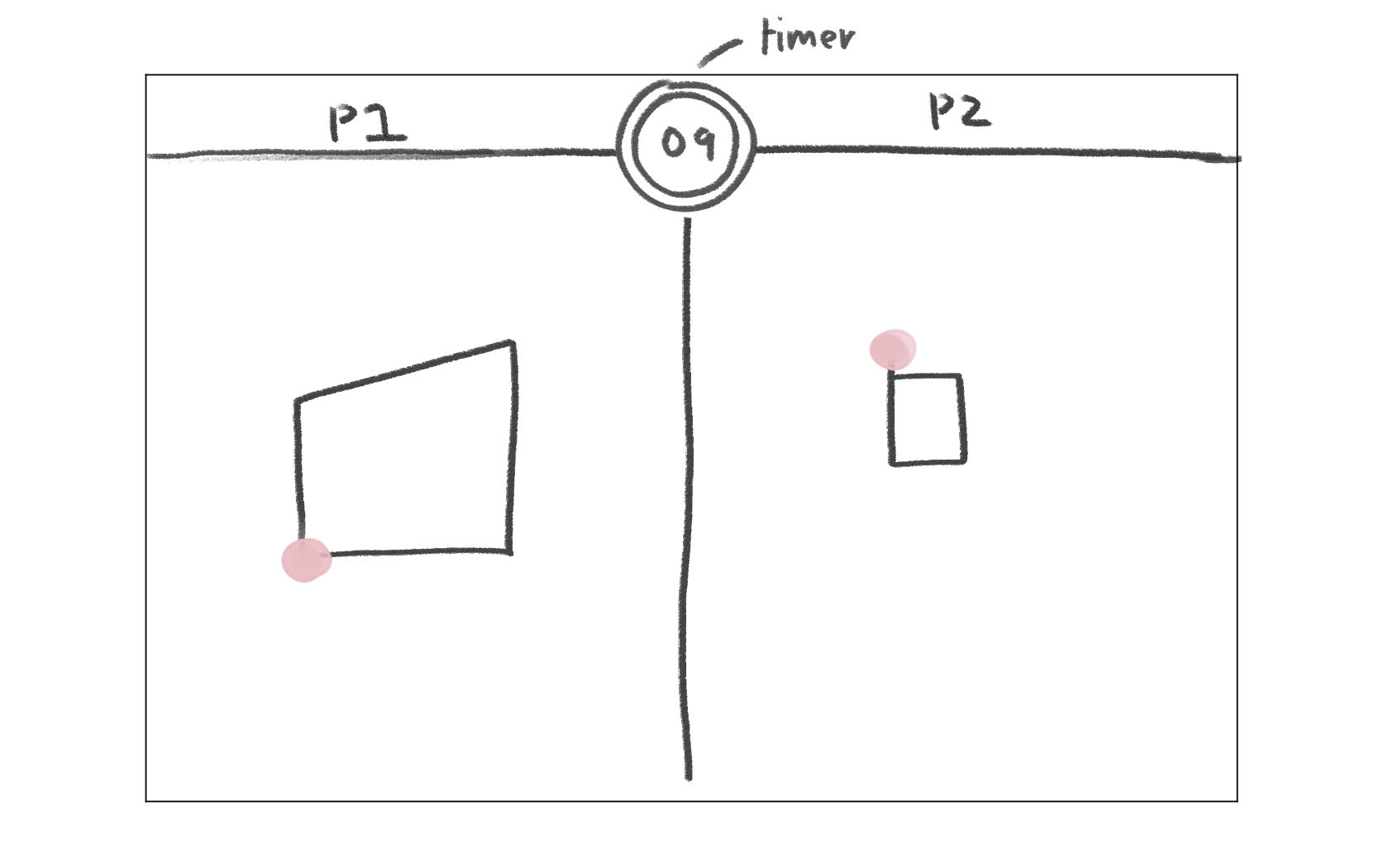
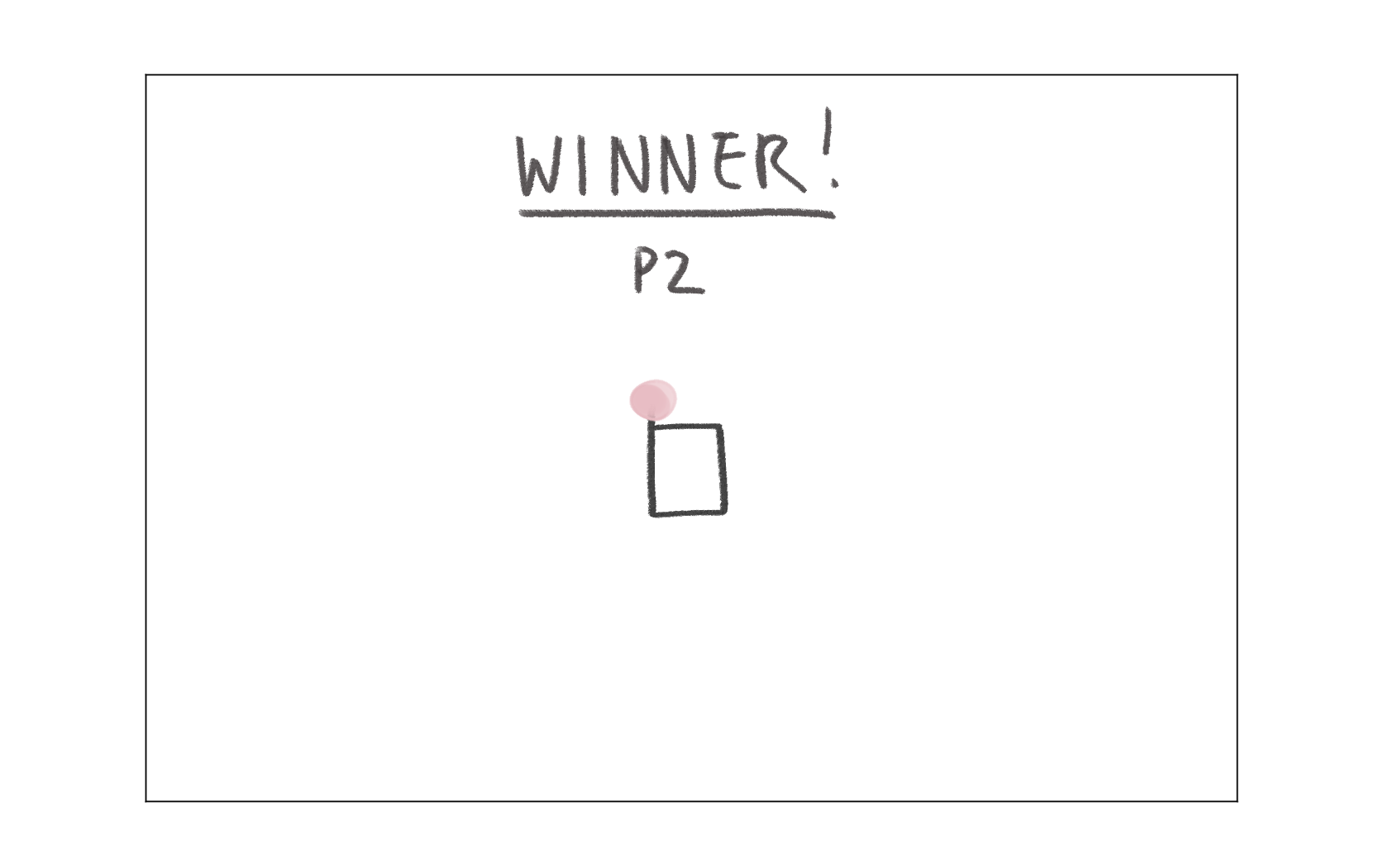
This game is also considered to be competitive as players are versing each other to see who has the best drawing, thus there needs to be at least two players in the interaction space for it to begin.
The winners are then determined based on accuracy, but we have also thought about ways to engage the audience by integrating a web app where they can pick their favorite drawing. Based on the number of votes, the highest number will receive a discount voucher to one of the local businesses that is being sponsored by the event
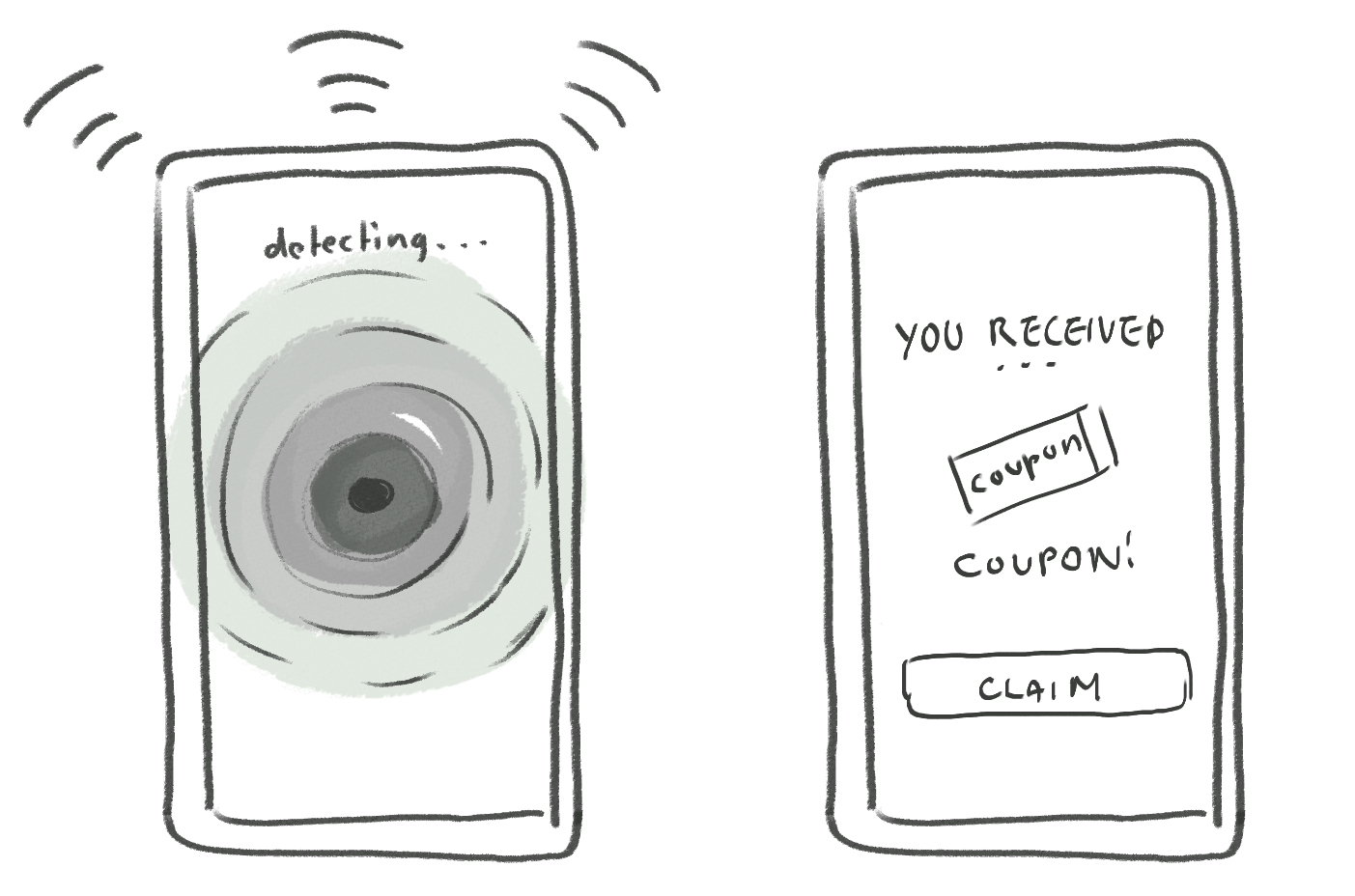
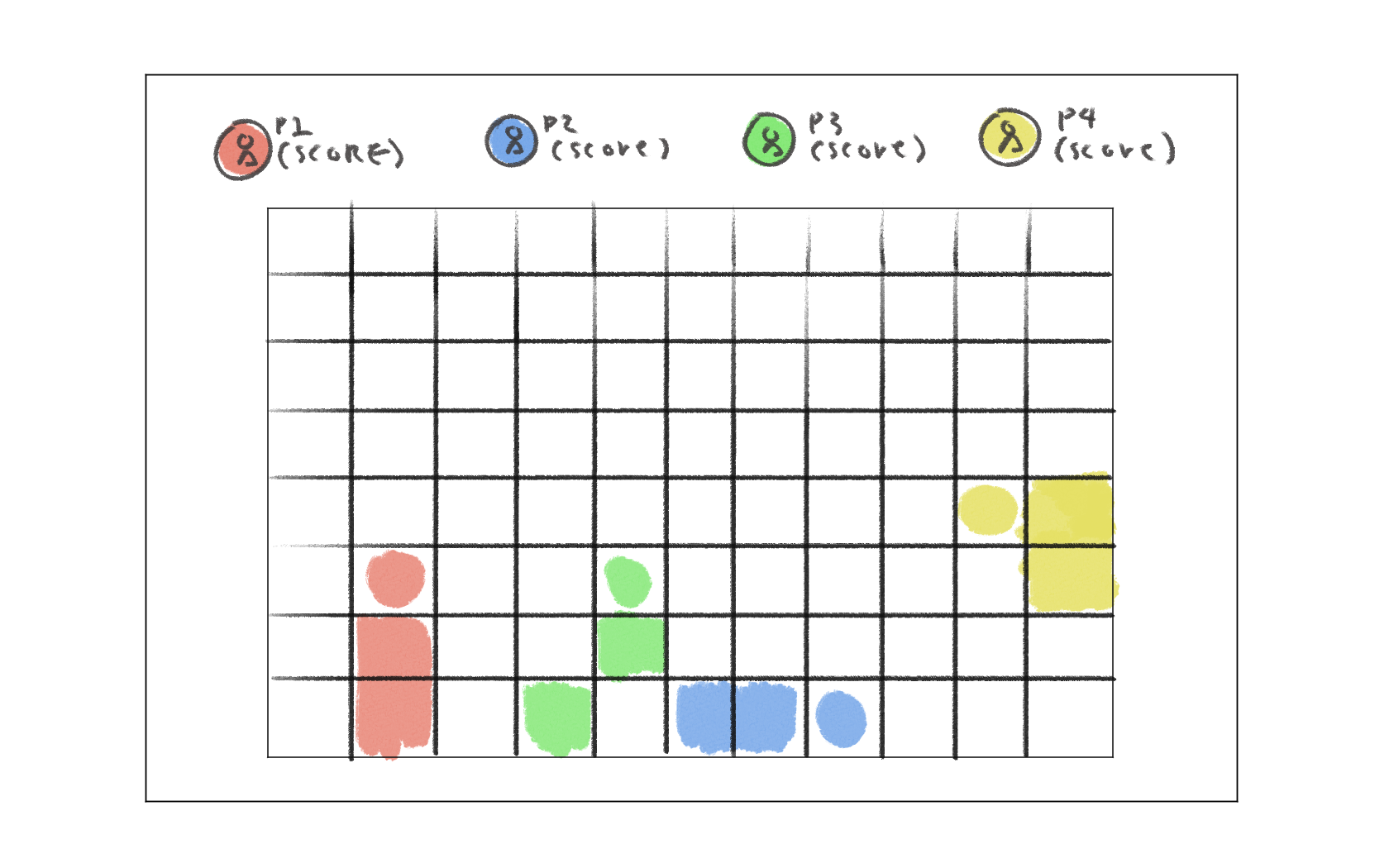
Promotion Hunt mimics the idea of mimesweeper but will incoporate a geolocation web app where players' can locate prizes that are hidden in different quadrants.
The phone will be used as a detector and will vibrate when it gets closer to the prize. We have thought about providing vouchers to local restaurants to increase economic growth but in regards to universal access, it was difficult to make it more accessible to the wider audience.
An update on this case study won't be too long! In the mean time, please check out my other case studies. :)


© 2022 Tulip Vy.